Cricket Control Strategies For Warehouses And Storage Facilities
People searching for cricket control strategies for warehouses and storage facilities are typically looking to eliminate or prevent cricket infestations, and local service providers can help implement effective pest management solutions tailored to these environments.
Visitors exploring cricket control strategies for warehouses and storage facilities are in the right place. This topic is particularly relevant for property owners and managers in the area who want to protect their inventory, maintain a clean environment, and prevent pest-related disruptions. Effective cricket management can help reduce damage to stored goods and minimize the risk of infestations spreading to other parts of the property. Many local contractors specialize in commercial cricket control, offering tailored solutions that address the unique challenges faced by warehouses and storage facilities. Continuing to read can provide valuable insights into practical strategies and how experienced service providers can support property owners in maintaining pest-free spaces.
Understanding the best approaches to cricket control is essential for those responsible for large storage areas. Local service providers have the expertise to implement targeted strategies that keep crickets at bay and safeguard your property’s integrity. Whether through exclusion techniques, habitat modification, or safe removal methods, these professionals can help create an environment less inviting to pests. Learning more about cricket control strategies for warehouses and storage facilities can empower property owners to make informed decisions and connect with trusted local contractors who can handle the job effectively.
- Cricket exclusion services - when warehouses experience persistent cricket intrusions, local contractors utilize targeted barriers and sealing techniques to prevent entry.
- Infestation assessment and removal - if signs of cricket activity are detected, service providers conduct inspections and apply treatments to eliminate existing populations.
- Preventive barrier installation - facilities seeking to avoid future cricket issues often work with local pros to install physical barriers around entrances and vents.
- Structural sealing and repair - when cracks or gaps in walls and foundations are identified as entry points, local contractors focus on sealing these vulnerabilities.
- Ongoing monitoring and maintenance - businesses aiming for long-term control rely on local service providers to perform regular inspections and reinforce barriers as needed.
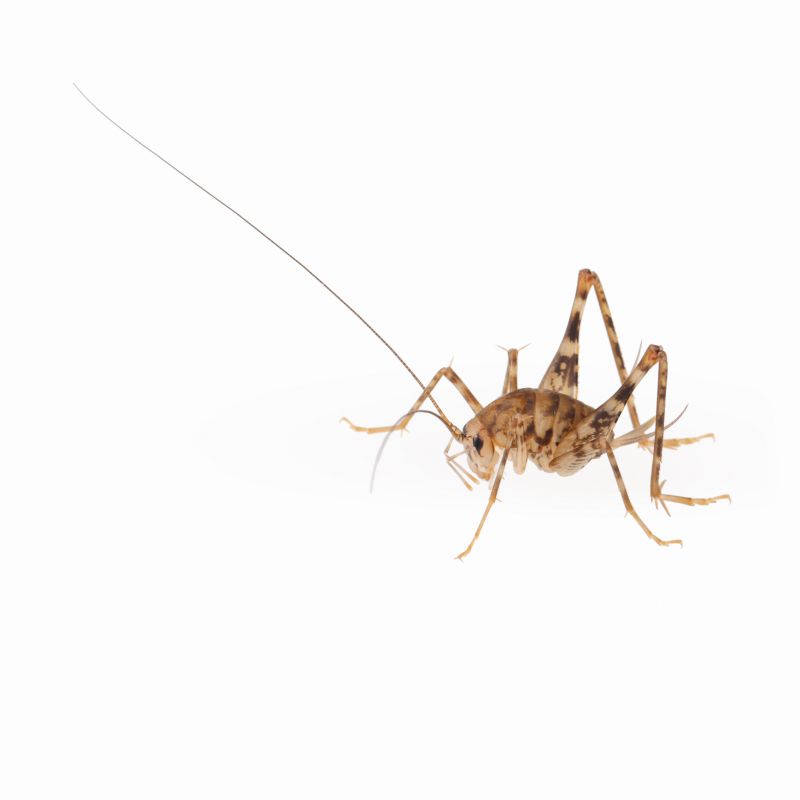

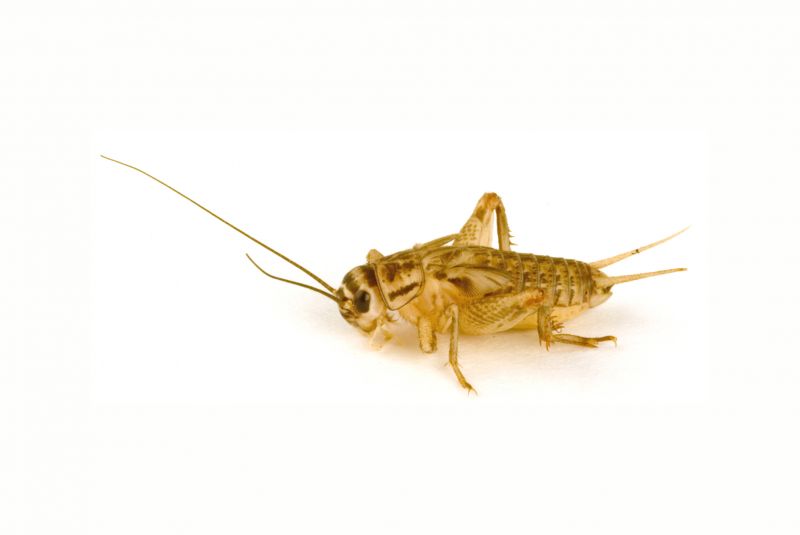
Cricket control strategies for warehouses and storage facilities typically refer to the methods and approaches used to prevent and manage cricket infestations in large commercial or industrial properties. When people search for this topic, they often face issues related to pests invading their storage spaces, damaging stored goods, or creating unsanitary conditions. These strategies involve a combination of inspection, exclusion, sanitation, and targeted treatments designed specifically for the unique environment of warehouses and similar properties. Understanding these approaches helps property owners and managers protect their inventory, maintain a clean workspace, and avoid the disruptions caused by cricket pests.
The problems linked to cricket infestations in warehouses and storage facilities can be significant. Crickets are attracted to dark, cluttered areas with easy access points, such as cracks, gaps, or poorly sealed doors and windows. Once inside, they may damage packaging, stored products, or wiring, and their presence can lead to contamination or hygiene concerns. Plans for controlling crickets often include identifying entry points, removing potential hiding spots, and implementing physical barriers. Local service providers specializing in cricket control can evaluate the property, recommend effective exclusion methods, and apply treatments tailored to the environment’s needs.
The types of properties that typically come up in discussions about cricket control include warehouses used for storing retail goods, industrial storage units, distribution centers, and large storage rooms in commercial buildings. These properties tend to have extensive shelving, pallets, or stored items that provide ideal breeding and hiding spots for crickets. They often have structural features like cracks, vents, or gaps that make entry easier for pests. Property owners and managers in these settings seek practical, long-term solutions to keep pests out and protect their assets, which is where local contractors with expertise in cricket management can be valuable.
For homeowners or business operators dealing with cricket issues in larger storage areas, understanding how local service providers fit into the process is important. These professionals can perform thorough inspections to identify pest entry points and problem areas, then recommend and implement strategies such as sealing gaps, installing barriers, and applying targeted treatments. While the scope of work may differ from residential pest control, the goal remains the same: to establish a pest-free environment that minimizes the risk of infestations. Connecting with experienced local contractors ensures that appropriate, property-specific cricket control strategies are in place, helping to safeguard the integrity and cleanliness of warehouses and storage facilities.
Pest inspection and exclusion services - these projects involve identifying entry points and sealing gaps, which are essential steps in implementing effective cricket control strategies for warehouses and storage facilities.
Building maintenance and repair projects - maintaining structural integrity and fixing cracks or holes helps prevent cricket entry, aligning with the planning needed for effective cricket control in storage environments.
Rodent and pest management services - these projects often share techniques such as baiting and trapping, making them relevant for integrated cricket control strategies in commercial storage spaces.
Warehouse sanitation and cleanliness programs - maintaining a clean environment reduces attractants for crickets, supporting the overall effectiveness of cricket control strategies for warehouses and storage facilities.
Structural pest barrier installations - installing physical barriers around storage areas helps prevent cricket intrusion, closely related to the planning aspects of cricket control in large facilities.
Storage facility inspection services - routine inspections help identify vulnerabilities and monitor pest activity, assisting local contractors in developing tailored cricket control strategies for warehouses and storage facilities.
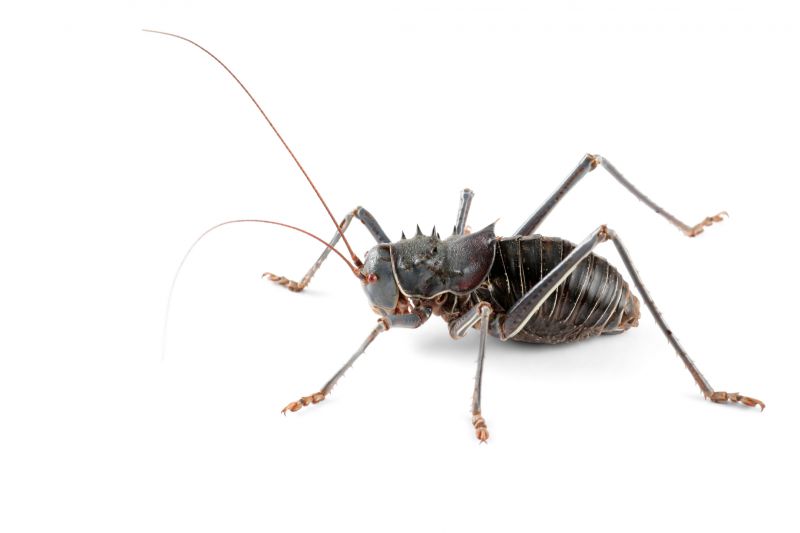
When evaluating service providers for cricket control strategies in warehouses and storage facilities, it’s important to consider their experience with similar projects. A contractor’s background in handling cricket control within commercial environments can indicate their familiarity with the unique challenges these settings present. Asking about past projects or requesting references can help gauge whether a contractor has successfully managed cricket issues in spaces comparable to the warehouse or storage facility in question. This insight can assist in determining if a contractor has the practical knowledge needed to implement effective control strategies tailored to the specific demands of commercial storage areas.
Clear, written expectations are essential when comparing local contractors for cricket control services. A reputable service provider should be able to outline their approach, the methods they plan to use, and what the client can expect throughout the process. Having this information in writing helps prevent misunderstandings and ensures that both parties are aligned on the scope of work. It’s beneficial to inquire about the specific steps involved in their cricket control strategies, including any follow-up or maintenance procedures, to determine if their plan aligns with the needs of the warehouse or storage facility.
Effective communication is a key factor when selecting a service provider for commercial cricket control. A professional contractor should be responsive, transparent, and willing to answer questions about their methods and experience. Good communication enables clients to feel confident in the contractor’s ability to address their concerns and adapt to any unforeseen issues that may arise during the project. Additionally, reputable service providers often maintain open channels for ongoing updates and support, which can be valuable for managing cricket control strategies in a busy warehouse or storage environment.
Property owners often search for cricket control strategies for warehouses and storage facilities when they are planning practical projects around their homes and businesses. Local pros provide Commercial Cricket Control services for everyday jobs and straightforward project options.

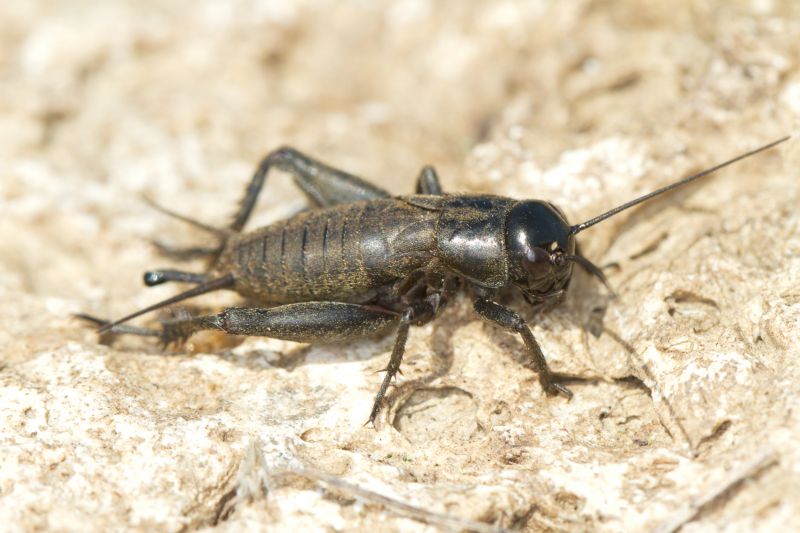
Cricket control strategies for warehouses and storage facilities are essential for property owners who want to prevent infestations that can disrupt operations and damage inventory. In everyday project situations, facility managers or property owners might notice signs of cricket activity, such as noise, droppings, or damaged packaging, which can prompt them to seek effective control solutions. Local contractors specializing in commercial cricket control can provide tailored strategies to address these issues, including sealing entry points, removing attractants, and implementing targeted treatments to keep crickets out of storage areas.
Many property owners in the area consider commercial cricket control services when they recognize the importance of maintaining a pest-free environment for their warehouses and storage facilities. These professionals understand the common entry points and behaviors of crickets, offering practical strategies that can be integrated into ongoing maintenance routines. Connecting with experienced service providers can help ensure that cricket control measures are properly implemented, reducing the risk of future infestations and helping property owners protect their investments efficiently.
What are effective cricket control strategies for warehouses and storage facilities? Local contractors often recommend a combination of sealing entry points, maintaining cleanliness to eliminate food sources, and applying targeted treatments to reduce cricket populations in warehouses and storage facilities.
How can I prevent crickets from entering my warehouse? Experts suggest inspecting and sealing cracks, gaps around doors and windows, and ensuring that screens are intact to block cricket entry points in storage facilities.
Are chemical treatments safe for controlling crickets in warehouses? Many service providers use approved, targeted chemical treatments that are safe for indoor environments, helping to control crickets without damaging stored goods.
What maintenance practices support long-term cricket control in storage areas? Regular cleaning, proper waste management, and ongoing inspections help maintain a cricket-free environment in warehouses and storage facilities.
Can professional cricket control services adapt strategies for different warehouse types? Yes, local contractors tailor cricket control strategies based on the specific layout, materials, and storage conditions of each warehouse or storage facility.
Implement sealing techniques - sealing gaps, cracks, and entry points can prevent crickets from entering storage areas, and local contractors can help identify vulnerabilities.
Establish regular inspections - routine checks for signs of cricket activity can help catch infestations early, with local pros providing expert assessments.
Remove attractants - eliminating clutter, debris, and food sources around warehouses reduces cricket habitats, with service providers offering guidance on site cleanup.
Apply targeted treatments - professional cricket control services can recommend safe and effective insecticide applications to manage existing populations.
If you are thinking about cricket control strategies for warehouses and storage facilities for a property, this guide is meant to help you understand this topic, the typical project types, and how different options might fit your plans.
When you are ready, you can use the quote form on this page to share a few details about your project. From there, local pros can review the basics and follow up with options that match what you have in mind.