Tent Fumigation in Long Island, NY
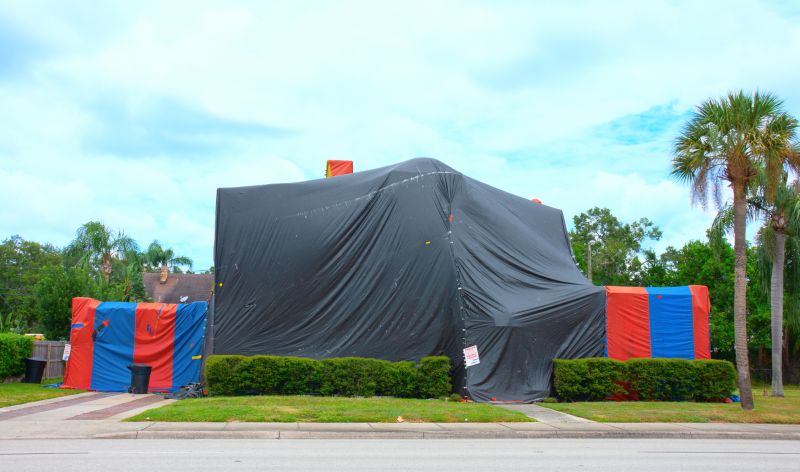
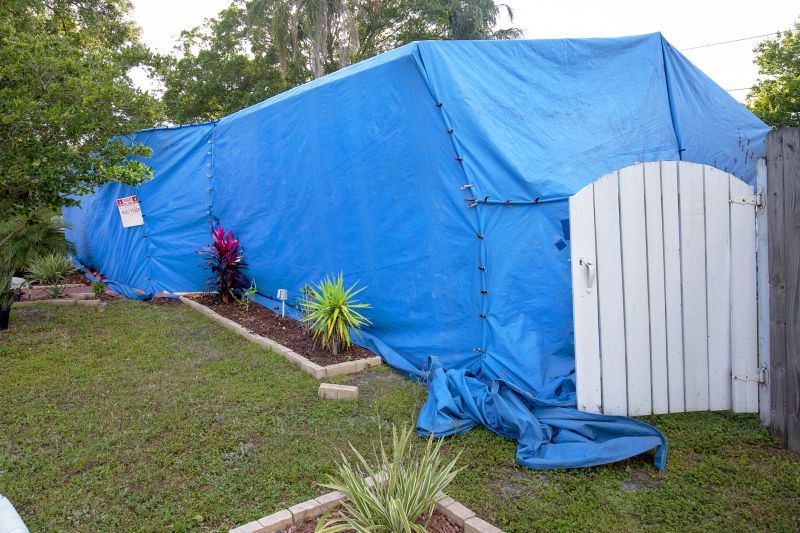
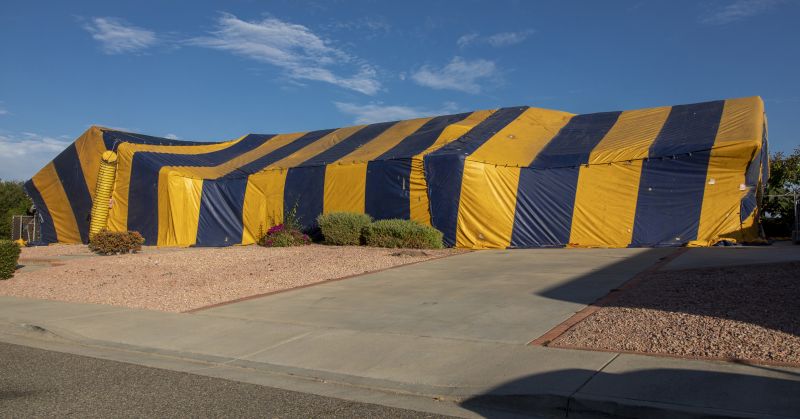
Tent fumigation services involve the controlled application of gases or vapors to eliminate pests such as bed bugs, termites, or other insects that infest residential properties. This process is typically used for comprehensive pest eradication in entire homes, especially when infestations are widespread or difficult to treat with traditional methods. Property owners should understand that tent fumigation usually requires temporary relocation and that the process involves sealing the structure to contain the fumigant, ensuring effective treatment throughout the property.
Homeowners considering tent fumigation often want to know about the preparation steps involved, any necessary precautions, and the duration of the treatment. It is also important to understand the safety measures taken during and after the process, as well as any post-treatment ventilation requirements. Clarifying these details beforehand can help property owners plan accordingly and ensure the treatment aligns with their needs for pest control and property safety.
Many property owners in Long Island, NY look into Tent Fumigation for repairs, replacements, upgrades, and appearance-related improvements.
Tent Fumigation Services
Examples of tent fumigation work property owners may explore in long island, ny.
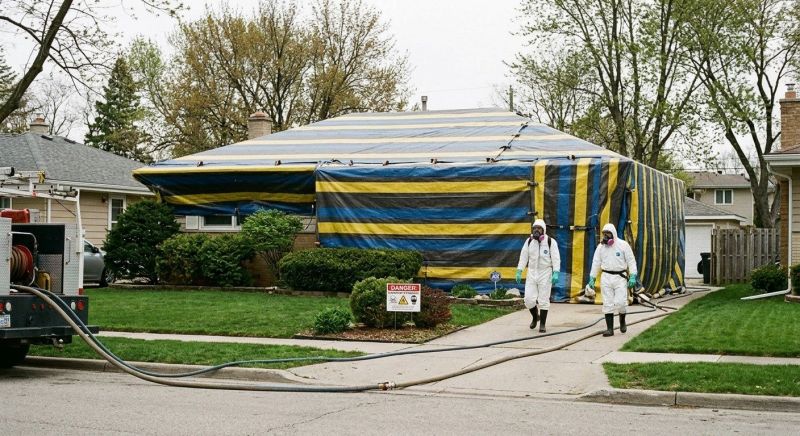
Tent Fumigation Updates
Common ways people refresh, improve, or restore tent fumigation features in long island, ny.
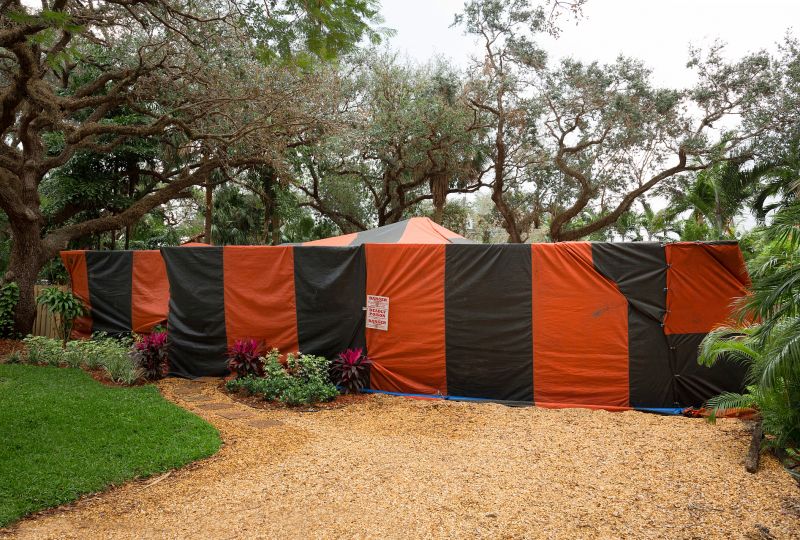
Tent Fumigation Options
Different styles, layouts, and finishes people consider for tent fumigation in long island, ny.
Tent Fumigation in Long Island, NY

Tent fumigation services involve the controlled application of gases or vapors to eliminate pests such as bed bugs, termites, or other insects that infest residential properties. This process is typically used for comprehensive pest eradication in entire homes, especially when infestations are widespread or difficult to treat with traditional methods. Property owners should understand that tent fumigation usually requires temporary relocation and that the process involves sealing the structure to contain the fumigant, ensuring effective treatment throughout the property.
Homeowners considering tent fumigation often want to know about the preparation steps involved, any necessary precautions, and the duration of the treatment. It is also important to understand the safety measures taken during and after the process, as well as any post-treatment ventilation requirements. Clarifying these details beforehand can help property owners plan accordingly and ensure the treatment aligns with their needs for pest control and property safety.
Many property owners in Long Island, NY look into Tent Fumigation for repairs, replacements, upgrades, and appearance-related improvements.
Common Tent Fumigation Jobs
Tent Fumigation Services - effective treatment for bed bugs and other pests inside tents.
Residential Tent Fumigation - safeguards homes during pest eradication processes.
Commercial Tent Fumigation - protects business properties from pest infestations.
Pre-Construction Tent Fumigation - prepares new structures by eliminating residual pests.
Post-Construction Tent Fumigation - ensures newly built or renovated spaces are pest-free.
Emergency Tent Fumigation - provides quick pest control solutions in urgent situations.
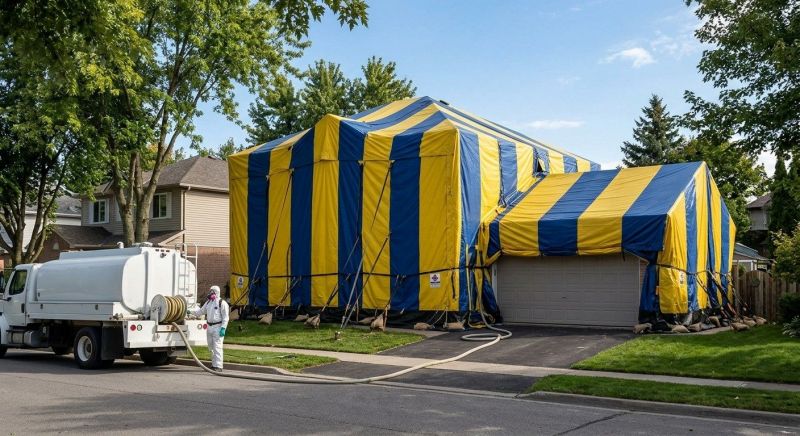
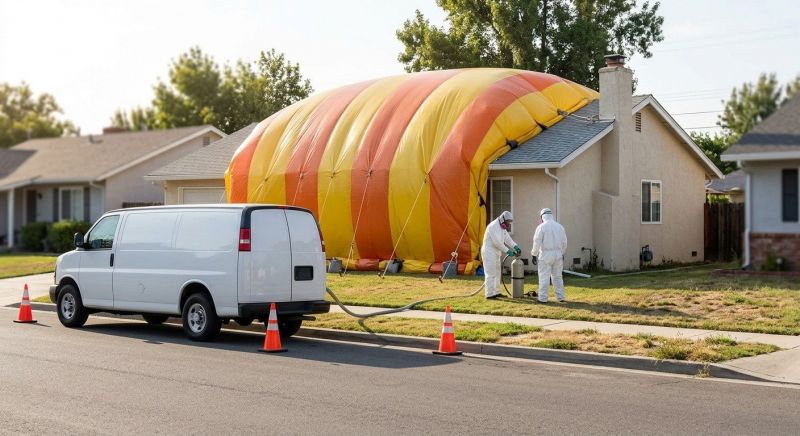
Tent Fumigation Questions
What is tent fumigation used for? Tent fumigation is effective for treating entire structures to eliminate pests such as termites, bed bugs, and other invasive insects.
How does tent fumigation work? The process involves enclosing the property in a tent and releasing a fumigant that penetrates all areas to eradicate pests.
Is tent fumigation safe for properties? When performed properly, tent fumigation is a controlled process that targets pests without damaging the property structure.
What types of properties can be fumigated? It is suitable for residential homes, multi-unit buildings, and commercial properties requiring pest elimination.
Request Tent Fumigation in Long Island, NY
Use the quote form on this page to share the basics of your project and request more information for the type of work you need.