Get Bee Pest Control Service
Local contractors provide pest control services to eliminate insects, rodents, and other pests from residential or commercial properties, addressing infestations and preventing future issues.
Property owners in the area seeking pest control solutions often consider professional services to effectively address common issues like insects, rodents, and other unwanted pests. Choosing experienced local contractors can provide peace of mind by ensuring the job is handled properly and efficiently. Exploring your options allows you to compare services and find a provider that aligns with your specific needs, whether for routine maintenance or unexpected pest problems.
By reviewing available local pest control providers, property owners can make informed decisions about managing pest-related concerns. Connecting with qualified service providers ensures that the work is tailored to the unique characteristics of the property and the local environment. Keep reading to discover how local experts can assist with your pest management needs.
- Ant Pest Control - when homeowners notice ant trails or nests inside or outside the property.
- Rodent Removal - if there are signs of mice or rats in the attic, basement, or walls.
- Termite Treatment - when structural wood shows evidence of termite damage or infestation.
- Bee and Wasp Extermination - during seasonal increases in stinging insect activity around the property.
- Pest Inspection Services - before buying a new home or when suspecting an ongoing pest problem.
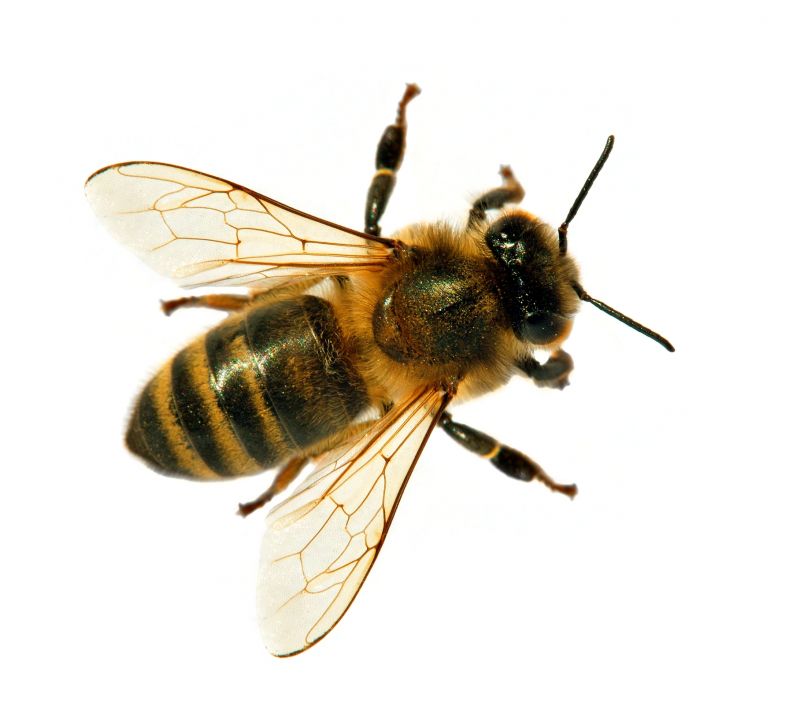
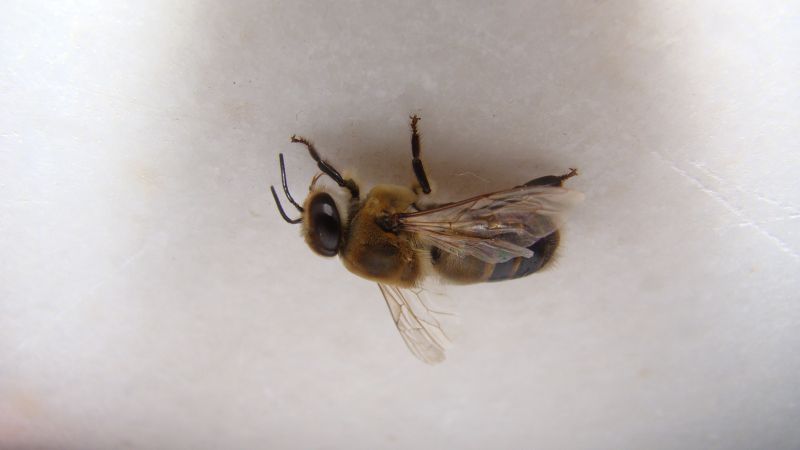
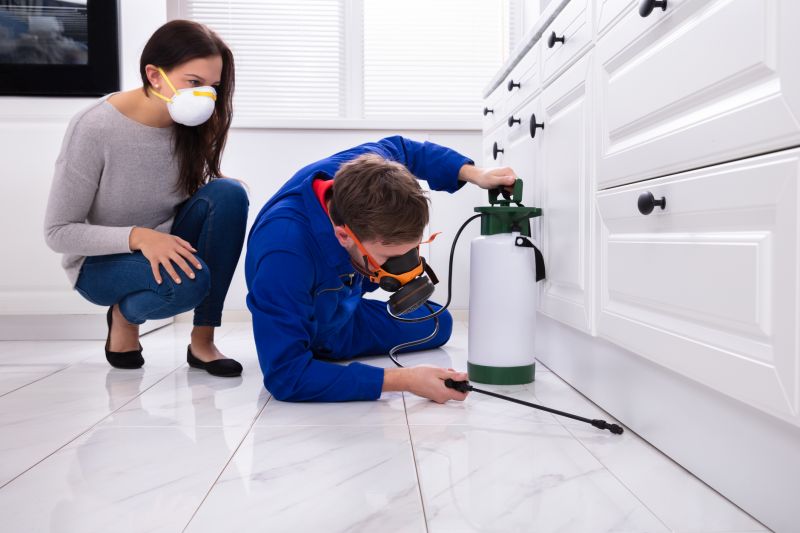
Bee pest control services focus on identifying and removing bee colonies that pose a threat to property and safety. These services typically involve careful inspection of the affected area to locate hives or nests, followed by safe removal or relocation of the bees. Professionals use specialized techniques to ensure the bees are handled humanely and effectively, minimizing disruption to the surrounding environment. This service is essential for homeowners experiencing persistent bee activity or those concerned about potential stings and property damage caused by bee colonies.
This type of pest control helps resolve problems such as large bee swarms, active hives near entry points, or nests built within walls, eaves, or other structural parts of a property. Bees, especially species like honeybees and wasps, can become aggressive if they feel their colony is threatened, increasing the risk of stings. Removing bee colonies not only reduces the danger of stings but also prevents damage to wood structures and other property components caused by hive buildup or debris. Local contractors can assess the situation and recommend the most appropriate removal method based on the type of bees and the location of the nest.
Properties that commonly use bee pest control services include residential homes, particularly those with outdoor gardens, decks, or trees where bees may establish hives. Commercial properties such as restaurants, outdoor event venues, and farms also benefit from professional bee removal to ensure safety and prevent disruptions. In many cases, properties situated near flowering plants or water sources attract bees, increasing the likelihood of encounters. Homeowners and property managers should consider professional pest control if they notice increased bee activity or suspect a hive is nearby, especially if there are children or pets on the premises.
Choosing to work with experienced local service providers ensures that bee removal is handled efficiently and safely. These professionals are equipped to deal with different types of bees and nests, providing solutions that protect both property and public safety. Whether it’s a small hive or a large swarm, local contractors can evaluate the situation and recommend appropriate action. Contacting a bee pest control specialist is a practical step for property owners who want to address bee-related issues promptly and effectively, helping to maintain a safe and bee-free environment.
The overview below groups typical Bee Pest Control Service projects into broad ranges so you can see how smaller, mid-sized, and larger jobs often compare in your area.
In many markets, a large share of routine jobs stays in the lower and middle ranges, while only a smaller percentage of projects moves into the highest bands when the work is more complex or site conditions are harder than average.
Smaller Repairs - Typical costs for routine pest control services such as baiting or minor treatments usually range from $250 to $600. Many standard jobs fall within this middle range, depending on the extent of the infestation.
Initial Inspection - A comprehensive inspection to identify pest issues generally costs between $100 and $300. This fee can vary based on property size and complexity, with many inspections landing in the lower to mid ranges.
Full Pest Treatment - Complete pest eradication services for moderate infestations often cost $500 to $1,500. Larger or more severe infestations can push costs above this range, especially for extensive treatments.
Full Replacement or Extermination - Larger, more complex projects such as full property exterminations or structural repairs can reach $2,000 or more. These higher-tier costs are less common and typically involve significant work or multiple visits by local contractors.
Actual totals will depend on details like access to the work area, the scope of the project, and the materials selected, so use these as general starting points rather than exact figures.
Wildlife Exclusion Projects - These projects involve identifying entry points and implementing barriers, similar to pest control efforts targeting bees and other insects.
Rodent Proofing Services - Both require inspection, sealing entry points, and applying targeted solutions to prevent unwanted pests from entering structures.
Termite Treatment Projects - These projects involve pest identification, treatment planning, and applying chemical or physical barriers, akin to bee pest management strategies.
Insect Removal and Prevention - Similar skills are used to identify pest sources, assess infestation levels, and implement control measures for various insects.
Structural Pest Inspection Services - These inspections focus on identifying pest entry points and infestations, paralleling the planning phase of bee pest control.
Hive Removal and Relocation - This involves safely removing bee colonies and preventing future infestations, requiring careful planning and specialized tools similar to pest control procedures.

When comparing service providers for Bee Pest Control services, it’s important to consider their experience with similar projects. Homeowners should look for local contractors who have a proven track record of handling bee-related issues in residential settings. An experienced professional will understand the nuances of bee behavior, effective removal techniques, and safety considerations, which can contribute to a smoother and more reliable service experience. Gathering information about their past work with comparable projects can help ensure that the chosen provider has the necessary expertise to address specific needs effectively.
Clear written expectations are essential when evaluating potential service providers. Homeowners should seek detailed descriptions of the scope of work, methods used, and any guarantees or follow-up procedures. Having this information in writing helps prevent misunderstandings and ensures that both parties are aligned on what will be done. Reputable local contractors are typically transparent about their processes and provide comprehensive estimates or service descriptions, making it easier to compare options objectively and select a provider that meets specific requirements.
Good communication and reputable references are key indicators of a trustworthy service provider. Homeowners should inquire about how the contractor communicates throughout the project, including responsiveness and clarity in explaining options. Additionally, asking for references or reviews from previous clients can provide insights into the contractor’s reliability, professionalism, and quality of work. Connecting with local service providers who prioritize clear communication and have positive references can lead to a more confident and satisfactory experience when addressing bee pest issues.
Property owners use Bee Pest Control Service services for practical projects around their homes and businesses. This guide focuses on everyday jobs and straightforward project options.
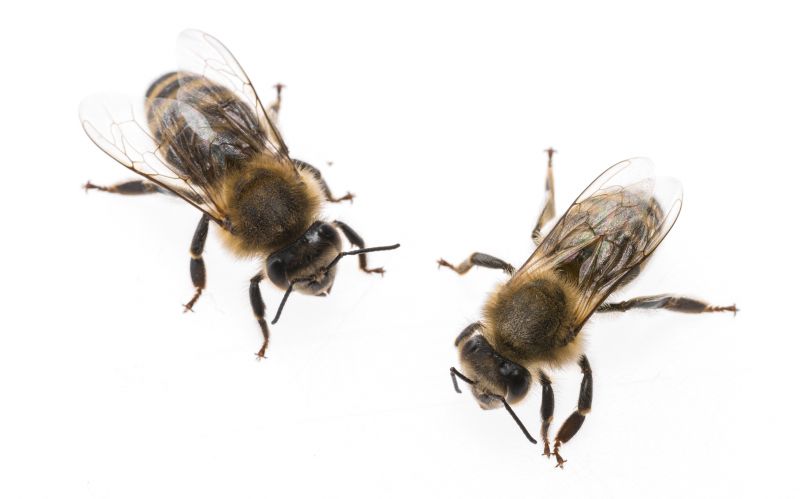
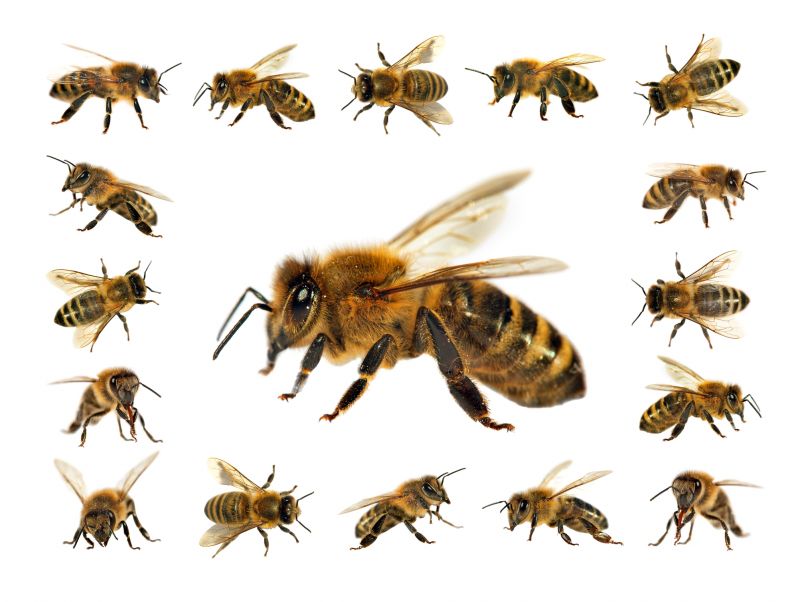
Property owners in the area often seek pest control services when encountering common issues like ant invasions, rodent sightings, or termite activity. These situations can arise unexpectedly, especially during certain seasons or after weather changes, prompting residents to look for professional assistance to protect their homes and maintain a comfortable living environment. Local contractors specializing in pest management can provide effective solutions to eliminate pests and prevent future problems, making them a practical resource for everyday property concerns.
Many property owners turn to local service providers when they notice signs of pests affecting their homes or businesses. Whether it's dealing with unwanted insects, rodents, or other common pests, these professionals are equipped to handle a variety of situations that can disrupt daily life or compromise property integrity. Connecting with experienced local contractors helps ensure that pest issues are addressed efficiently and thoroughly, supporting the ongoing upkeep and safety of local properties.
What types of pests can Bee Pest Control Service handle? Local service providers typically manage a variety of pests including ants, termites, rodents, bed bugs, and roaches.
Are Bee Pest Control Service providers licensed or insured? This page does not specify licensing or insurance details; it is recommended to contact local contractors directly for such information.
How do local contractors perform pest inspections? Pest inspections usually involve a visual assessment of affected areas and surrounding environments to identify pest activity and entry points.
What pest control methods are commonly used? Common methods include baiting, trapping, chemical treatments, and exclusion techniques, depending on the pest and situation.
Can local service providers handle ongoing pest prevention? Yes, many offer preventative services such as regular inspections and treatment plans to help maintain a pest-free environment.
Preventing Pest Infestations - Regular pest control services can help property owners keep their homes and businesses free from common pests.
Protecting Food Storage Areas - Local contractors can treat kitchens and storage spaces to prevent pests from contaminating supplies.
Maintaining a Pest-Free Garden - Garden areas can be treated to reduce pests that threaten plants and outdoor living spaces.
Preparing for Pest-Heavy Seasons - Scheduling treatments before peak pest seasons can help property owners stay ahead of infestations.
If you are thinking about Bee Pest Control Service for a property, this guide is meant to help you understand the work, the typical project types, and how different options might fit your plans.
When you are ready, you can use the quote form on this page to share a few details about your project. From there, local pros can review the basics and respond with options that match what you have in mind.